Norman Brand - Working in a 1950's Press Darkroom
"My first job was at Keystone Press Agency and there were five boys of us who sat on a bench waiting our turn take the next lot of prints to the newspapers. Luckily most of the papers were within a ten minute walk. A normal rush as it was called started this way. 1- Our photographer would have attended a Political meeting, show business, a wedding, filmstar arrived on Queen Mary to Waterloo station etc. Our motorcycle rider who raced back with the other riders, hurries into the office gives notes from the photographer ie caption to typist and to chief printer and probably two double dark slides. Head printer hurries into darkroom and within four or five minutes he opens door. The manager has been waiting, looks at 5x4 negs against lightbox, quickly decides, “do this one for evenings “ sometimes dailies as well depending on time of day.
Printer swishes neg in the water sometimes spits on it to stop runs then places it in a large horizontal enlarger, focuses very quickly and throws first print round the partition into dev where I am waiting, within seconds he calls out “whats it like, son” “erm, its ok Tom “ he comes around the partition to throw three more prints in the dev “ no its not , its fast you silly sod”.
I would stand devving prints all day, if a foreign was ordered to go to agents abroad it was over 100 8x6 prints. At the end of day sometimes your fingers would be stained and sometimes bleeding from contact with stainless steel dish.Then before going home you go down to the basement to bring up a hundred weight sack of sodium hyposulphite to make up fresh fixes.I imagine they have modernised by now, but I don’t think Keystone exist now. Then National Service took me away from all this, although I did get photography in the RAF". "There are 3 branches BP (bulk process) GS (general service) and RS (recconnaissance servicing) they put me in RS which is installing camers in aeroplanes.
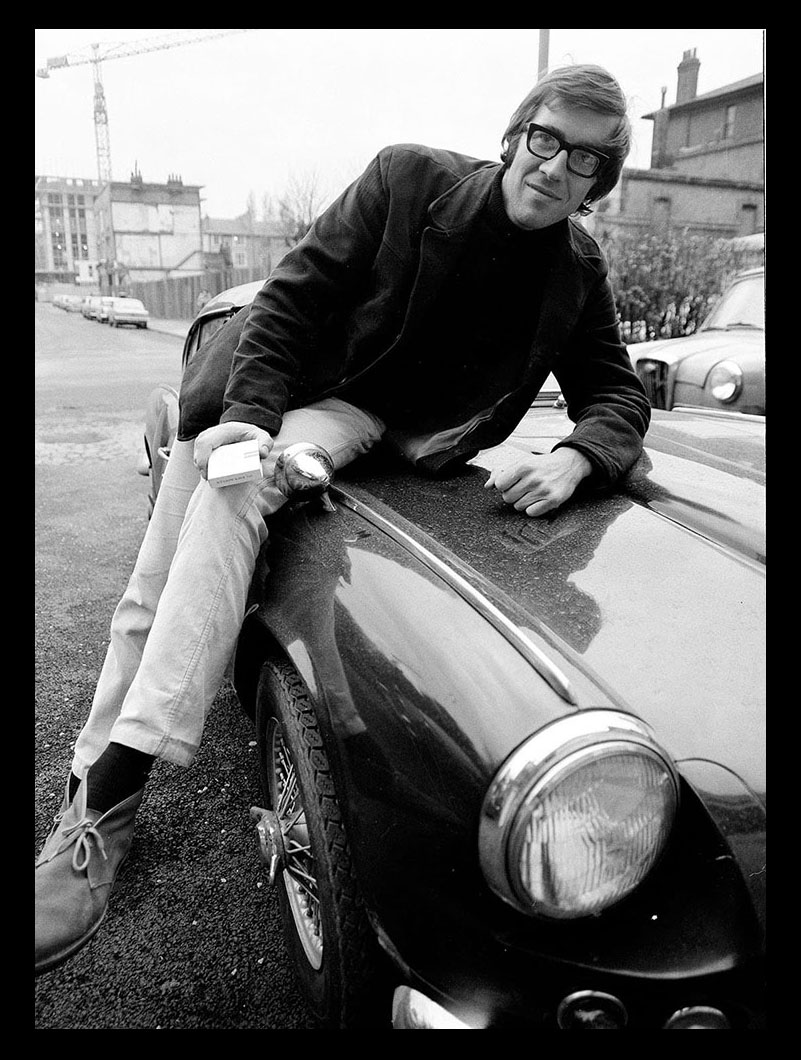
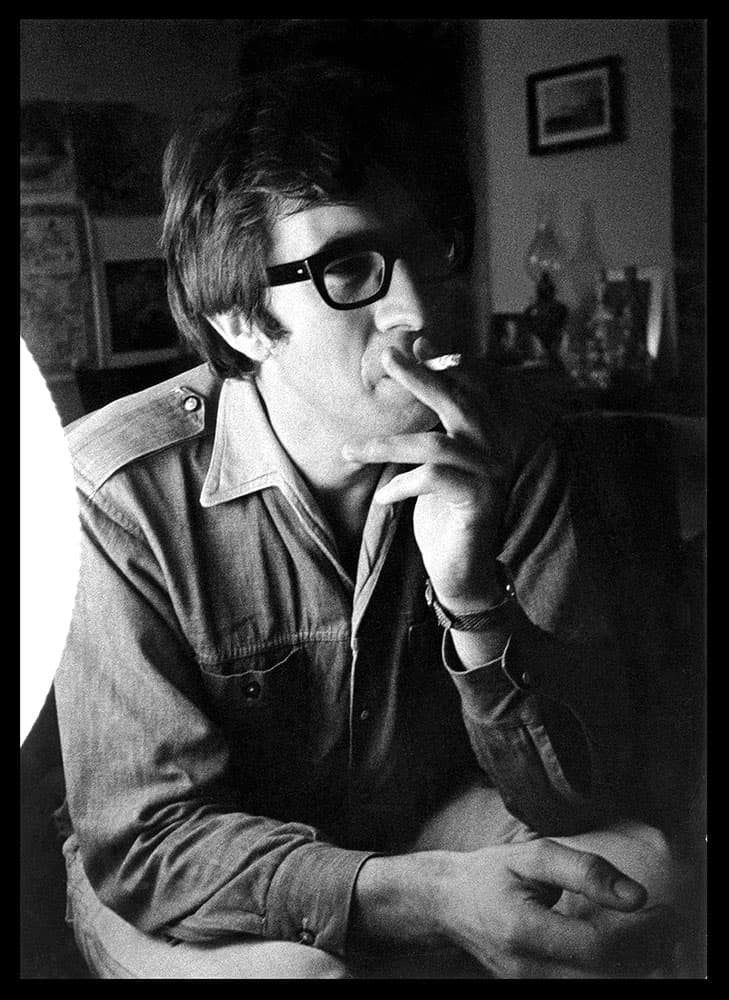
Then posted me to a station that had no aeroplanes only darkrooms full of contact printers in one and Williamson automatic dev and print machines where you just sit at end of this monster machine the trimming the individual prints from an endless run, the subject was a 30% overlap mosaic survey of ,I think Africa or part of. After National Service I had a printing job at Lafayette a very old established, originally Parisien company, but portraits only and all men, captains of industry mainly or politicians. And a then very good portrait studio in Croydon, Howard M King, where I learnt the finer points of warm tone prints on Bromesko paper. Here I met Clive Corless who went on to work for Terry Donovan for years and I went on to Vogue and then Duffy".
"I joined Vogue in 1956-7 about the same time that Duffy and Bailey arrived. The studio was then in Shaftesbury Avenue above Cecil Gee on corner of Wardour St. A Victorian building next to the Globe theatre.The other photographers were Don Silverstein Gene Vernier, fashion, and Ray Williams, Anthony Denney House and Garden. Later Claude Virgin arrived, also Armstrong-Jones and a bit later Helmut Newton from Australia and Frank Horvat. Cecil Beaton and Norman Parkinson were visiting photographers. Beaton had designed the sets for My Fair Lady which was the runaway hit musical of the 50s.
Kodak had a gallery in Kingsway and Armstrong Jones had an exhibition of his theatrical and portraiture and reportage, which I liked very much. I remember from this show - Mike Todd thrusting hands at camera, Peter Sellers sitting in river at Rotherhythe and Margot Fonteyn almost sitting on the floor in a tutu. It may have been some of these pictures and their influences that got me going on reportage.
But before that I decided to photograph girls,so one day I turned up at Fashion Models, an agency on the cor- ner of Leicester St and Leicester Sq. When I walked in to a large studio room with a good view of the square there were about nine girls walking around the room with books on their heads. I’d heard of this before but never actually seen anyone doing it".
"I asked if any of the girls would let me photograph them free in return for prints. They fell round my neck, and I photographed them in London and in the country and I think it proved to me that I wasn’t fashion photographer. Vogue were good to the staff and every Wednesday evening we were allowed to use the studio. But now I started to see if I could do street reportage. On my day off on a Saturday I would park my car near to Tower of London ( you could park easily in those days) and just walk to where ever anything was happen- ing, the Tower, Blackfriars, Covent Gdn, Soho ( quite sleazy then, protection racket still on, and a girl wait- ing on the corner of Old Compton St for her boy friend stood a chance of being moved on by a policeman,) finally ending my walk at Trafalgar Sq or Parliament Sq, and hopefully finding things or people or a demo to photograph".
Norman - "In 1962 Duffy decided to leave Vogue and set up his own studio, asking me to go with him, which I did, also Nelson Hargreaves came from Vogue as assistant. The studio was firstly in Duff's house where I met his wife June and children Christopher and daughter Charlotte, always known as Charlie to this day.
Pat Carter joined us as secretary, her husband Gordon a photographer. Nelson left and David (Dyer) joined us about this time a great addition to the team".
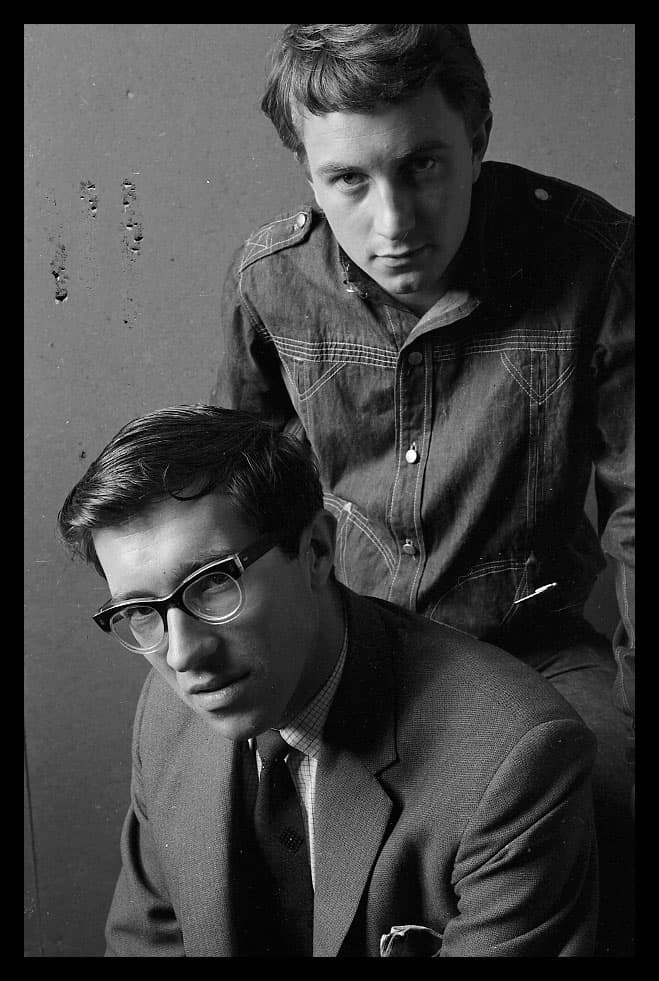
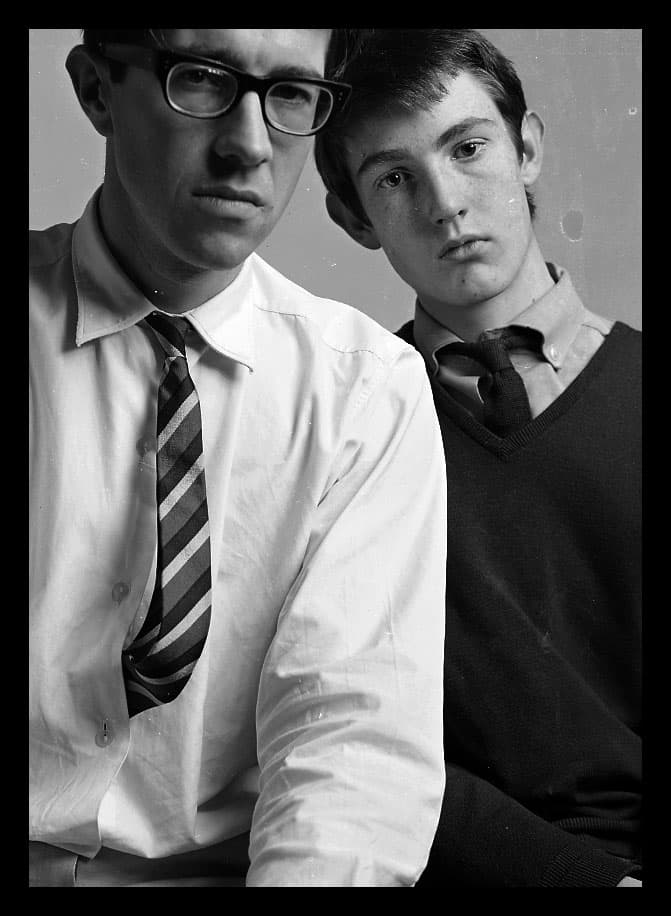
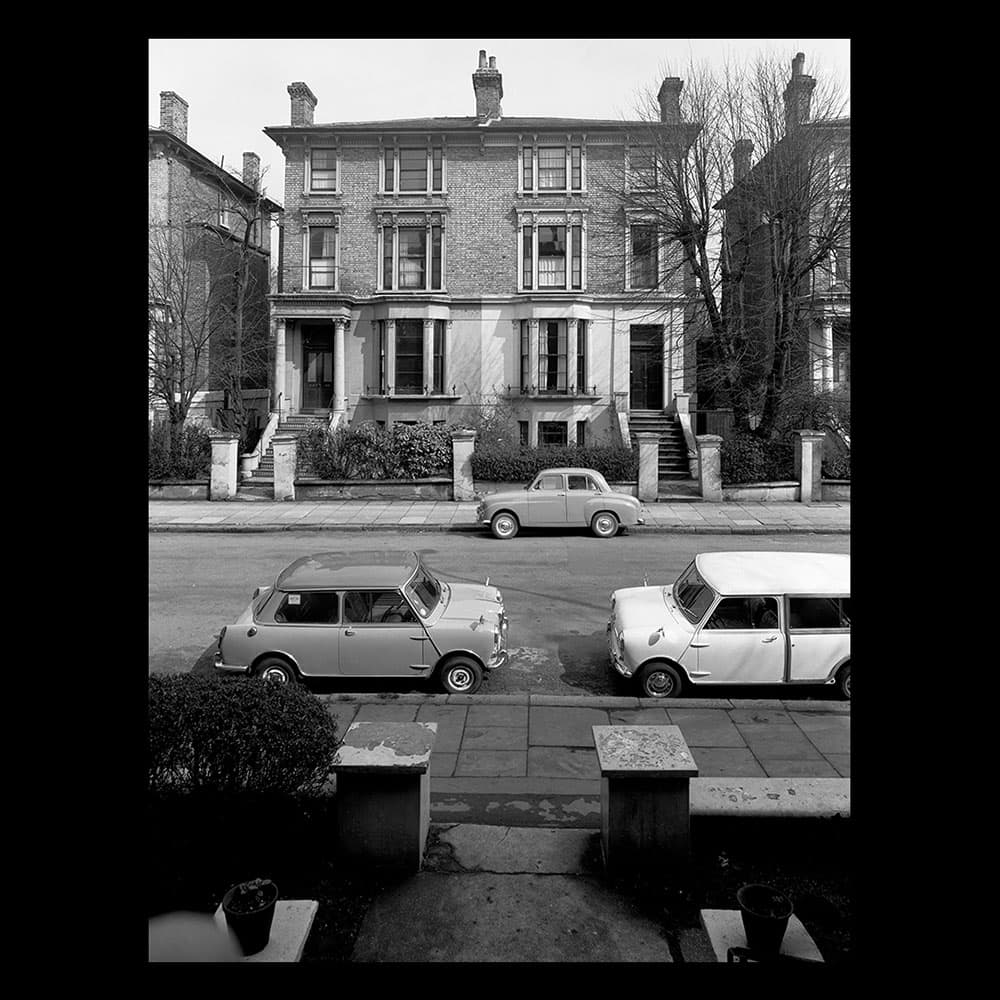
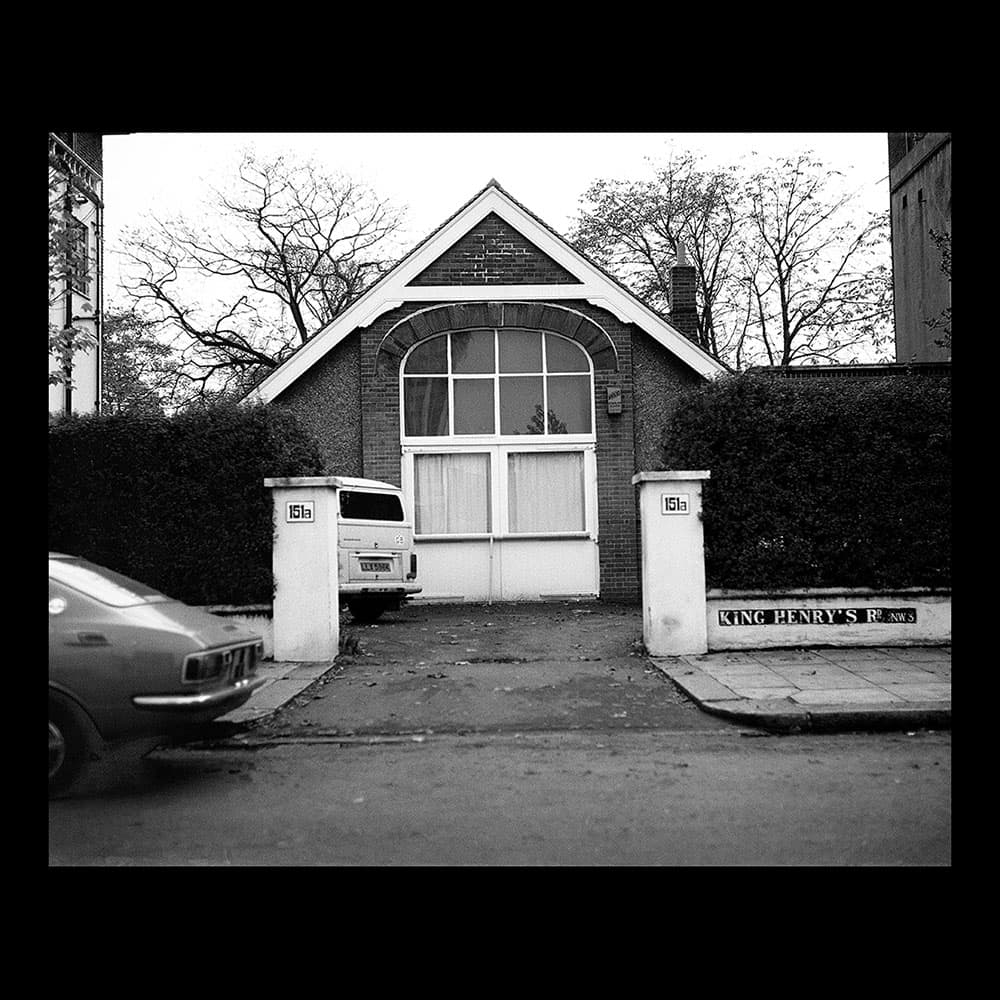
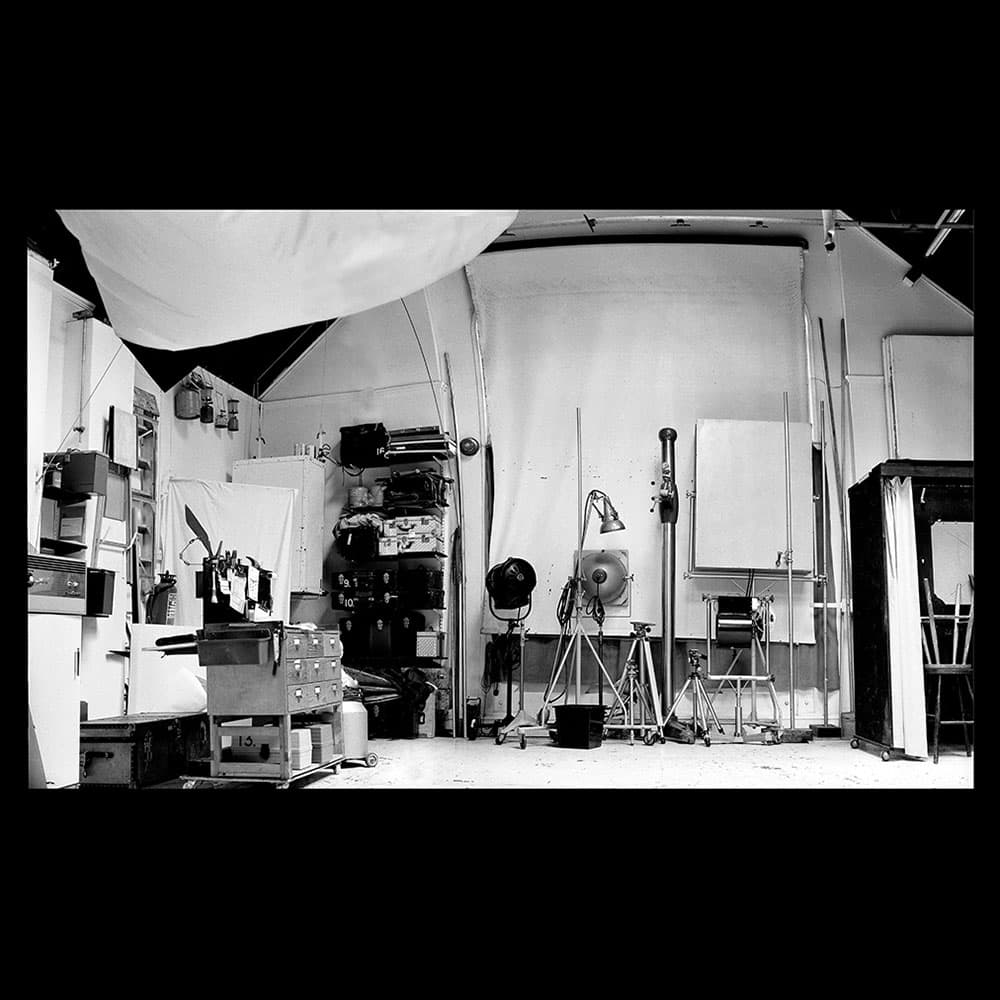
In addition to shooting for Vogue Duffy was also starting to get advertising work. He did'nt have a studio of his own and the work was put through Vogue studiuos with Vogue supplying the studio and billing the job. However Vogue took 70% of the fee and Duffy felt that this was grosly unfair as he was bringing in the jobs and so in 1962 Duffy decided that it was time to leave Vogue and set up how own studio. Duffy asked Norman if he would leave and join Duffy's as his printer along with Nelson Hargreaves as his assisant. The first floor of Duffy house at 139 King Henrys Road with it's two large rooms was converted with one room into a studio and the other into an office and changing room. Duffy's wife June and a growing family which would finally end up with four kids, Christopher, Charlotte, Samantha and Carey, lived in the basement downstairs. The property also had a a storage annexe leading out to the garden which was converted into a darkroom for Norman. It was all self contained and Duffy got off to a flying start working for some of the big adverting agencies such as J Walter Thompson, Collet Dickinson Pearce - Hamlet Cigars, Harvey's Sherry, Young & Rubicam - Campbell's soup.
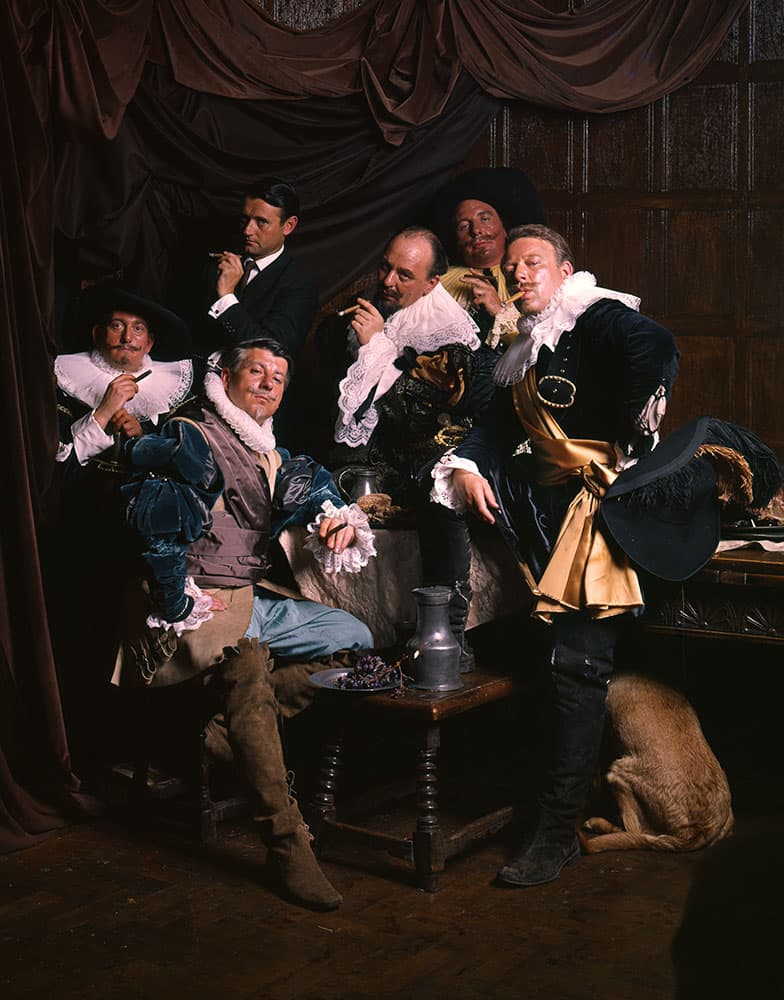
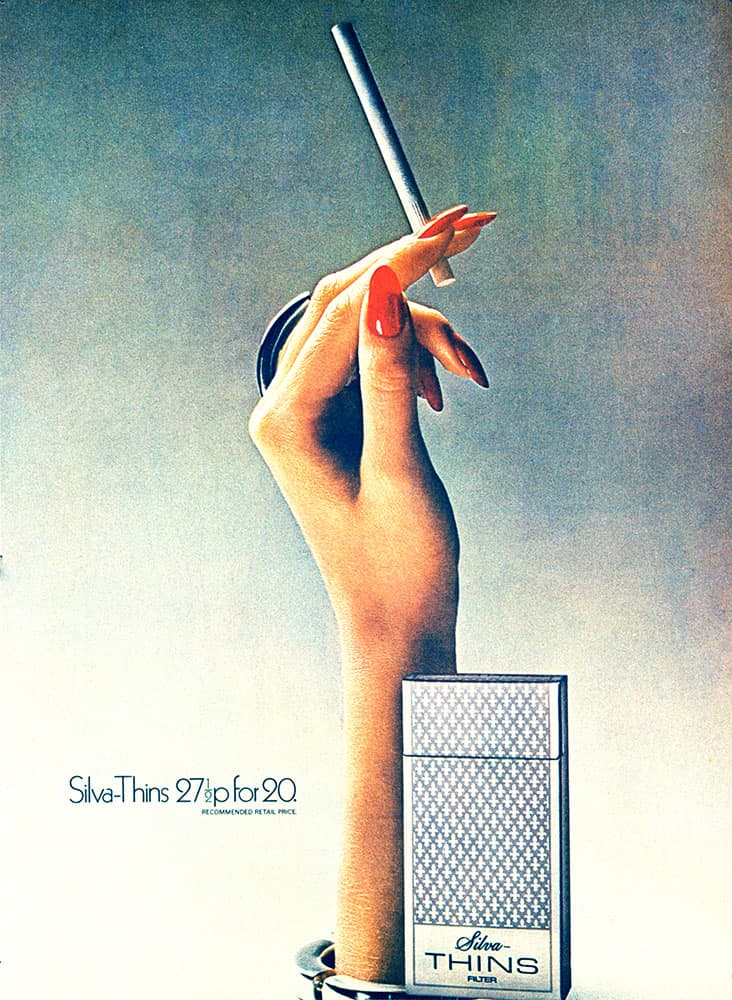
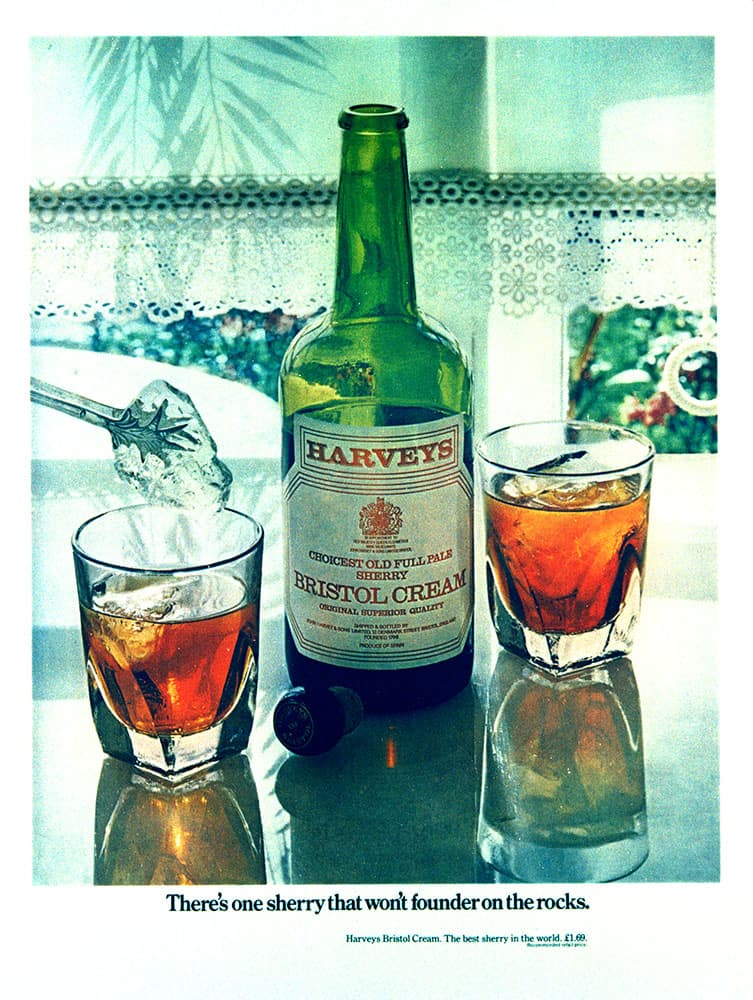
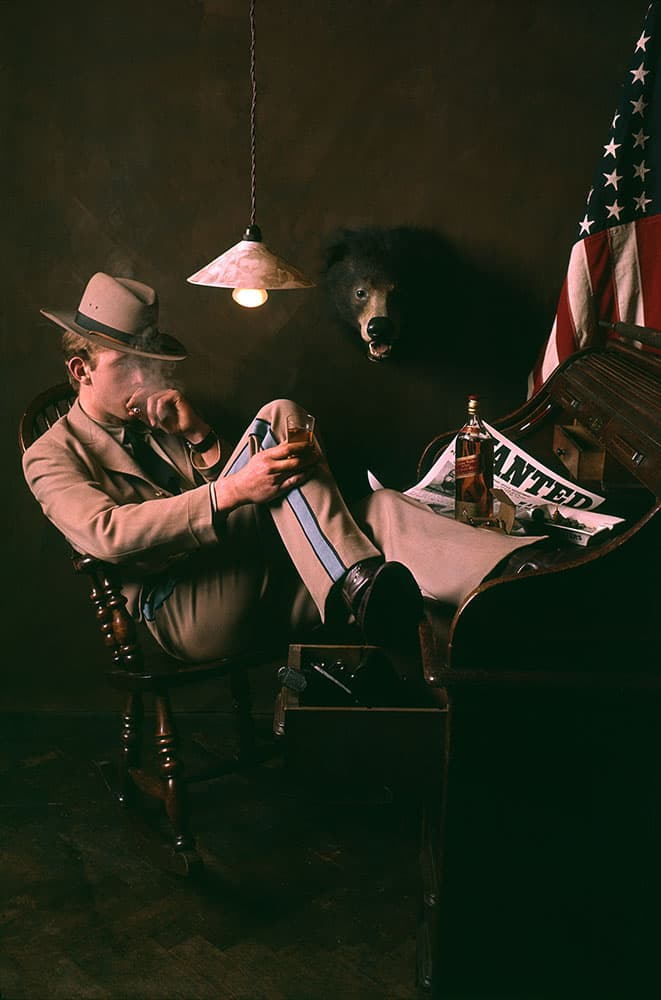
Norman - "Duffy photographed many actors, Alan Bates, Telly Savalas, Charlton Heston, and many others that I don’t remember. When we moved into the new studio Duff moved up a gear or two in flair for designing the place, a clnical attention to detail etc .He found an old roll top desk in Camden Town which we left out in the rain, and he spent ages sanding it down. Dave who was an apprenticed carpenter built three walls which became the darkroom, finishing room and Duffy’s office. And I spent days and days with filler and white emulsion painting everything white.
I had a very good new print room that Duffy had fitted out himself with new De Vere enlarger. Duff had a lot of enthusiasm for new ways to get a better result from film. Dave and I would just be packing up to go home about 6.30-7.pm and Duff would come rushing in, “look boys, pour the whiskey Norm, I’ve been reading this, (waving Modern Photography the American magazine that everyone read) and look, I think we should start devving our film in Rodinal 1-50 “ So we did.”…….
Vogue continued commisioning Duffy but he was now working with many of the new magazines that were springing up in Sixties London. Tom Wolsey from Town Magazine and Michael Rand from the newly published Sunday Times colour suppliment were regular clients. Peter Knapp from French Elle had been keenly watching developments on the London cultural scene and asked Duffy to come to Paris to work for him.
When David Dyer Duffy's assistant married his bride Angela, Norman stepping in and started assisting Duffy but around 1969 Duffy had become obsessed with moving into the feature film business and had developed a film concept and bought the film rights for the stage play called 'Oh What a Lovely War', but first he produced a movie called 'Only When I Larf' and he took Norman with him on location to cover the production stills.
Read 'Only When I Larf' feature in Insights and view Normans photographs.
© 2026
